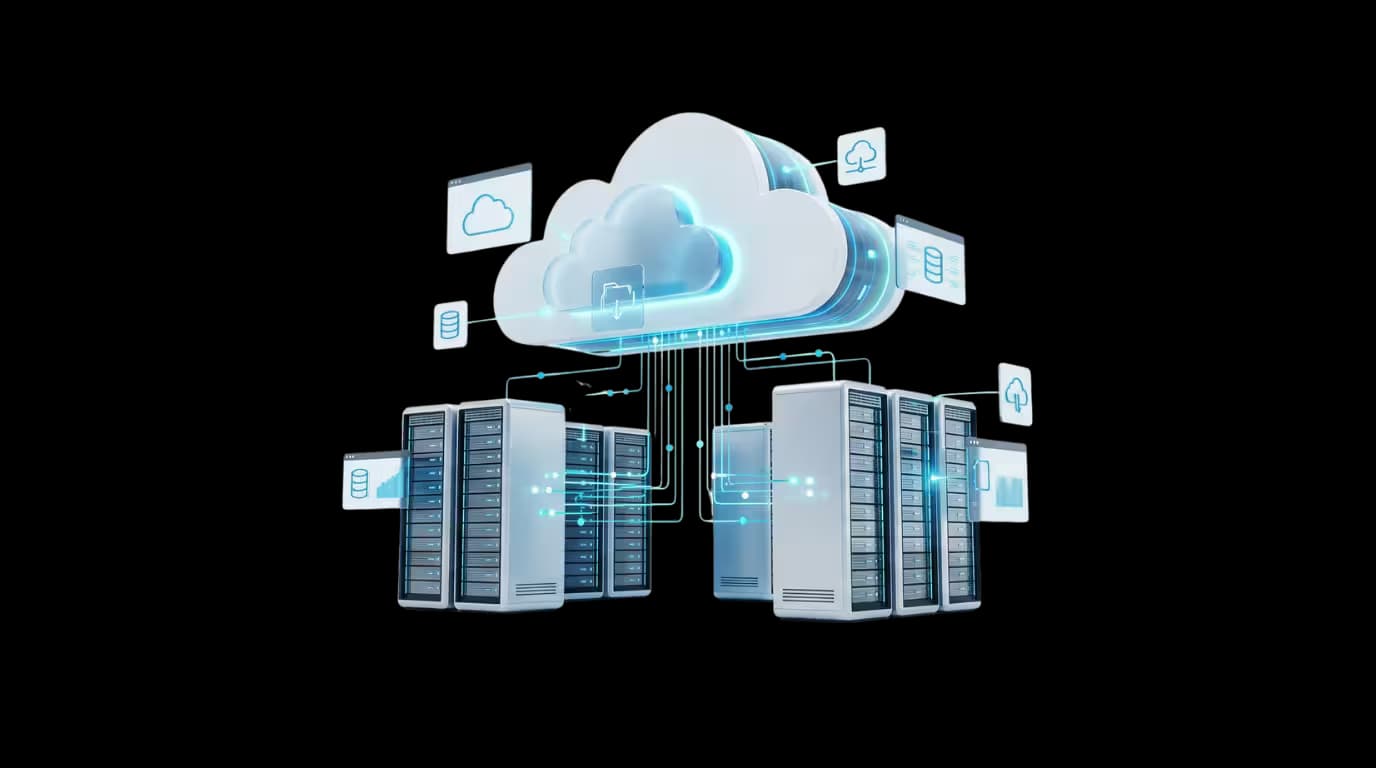
What is Cloud VPS? How Does It Differ from Traditional VPS?
cloud_syncQuick Summary (TL;DR): Flexible, Isolated & Full Control
Unlike standard hosting packages, with Cloud VPS Servers you get root (or administrator) access. You can configure your operating system, web server (Apache, Nginx, LiteSpeed), PHP versions, or database services entirely to your needs. Thanks to cloud architecture, your server is unaffected by physical hardware failures — it instantly continues running on another host.
Shared Hosting vs Cloud VPS
When your website traffic increases, shared hosting resource limits (CPU, RAM, INODE) become insufficient. Your site slows down and may even become inaccessible. When you switch to Cloud VPS, you operate with memory and processor cores dedicated entirely to you. Load from neighboring sites cannot degrade your server performance.
Serversium Cloud VPS Advantages
Up to 15x faster than SATA or standard SSDs. Supercharge your database read/write speeds with NVMe architecture.
Planning a special campaign or event? Scale your RAM and CPU capacity from the panel minutes before traffic arrives.
Unlike legacy shared virtualization architectures, with KVM your promised RAM and CPU are hardware-locked and always ready.
Take an instant snapshot of your server before any major update. If something goes wrong, roll back with a single click in seconds.
Who Is Cloud VPS Ideal For?
- developer_boardSoftware Developers and Agencies: Agencies looking to deploy applications requiring custom environments like Node.js, Python, Ruby, or Go, or provide hosting to their clients.
- trending_upGrowing E-Commerce and Content Sites: Projects that need a flexible and powerful infrastructure that won't crash during high-traffic moments, where shared hosting falls short.